

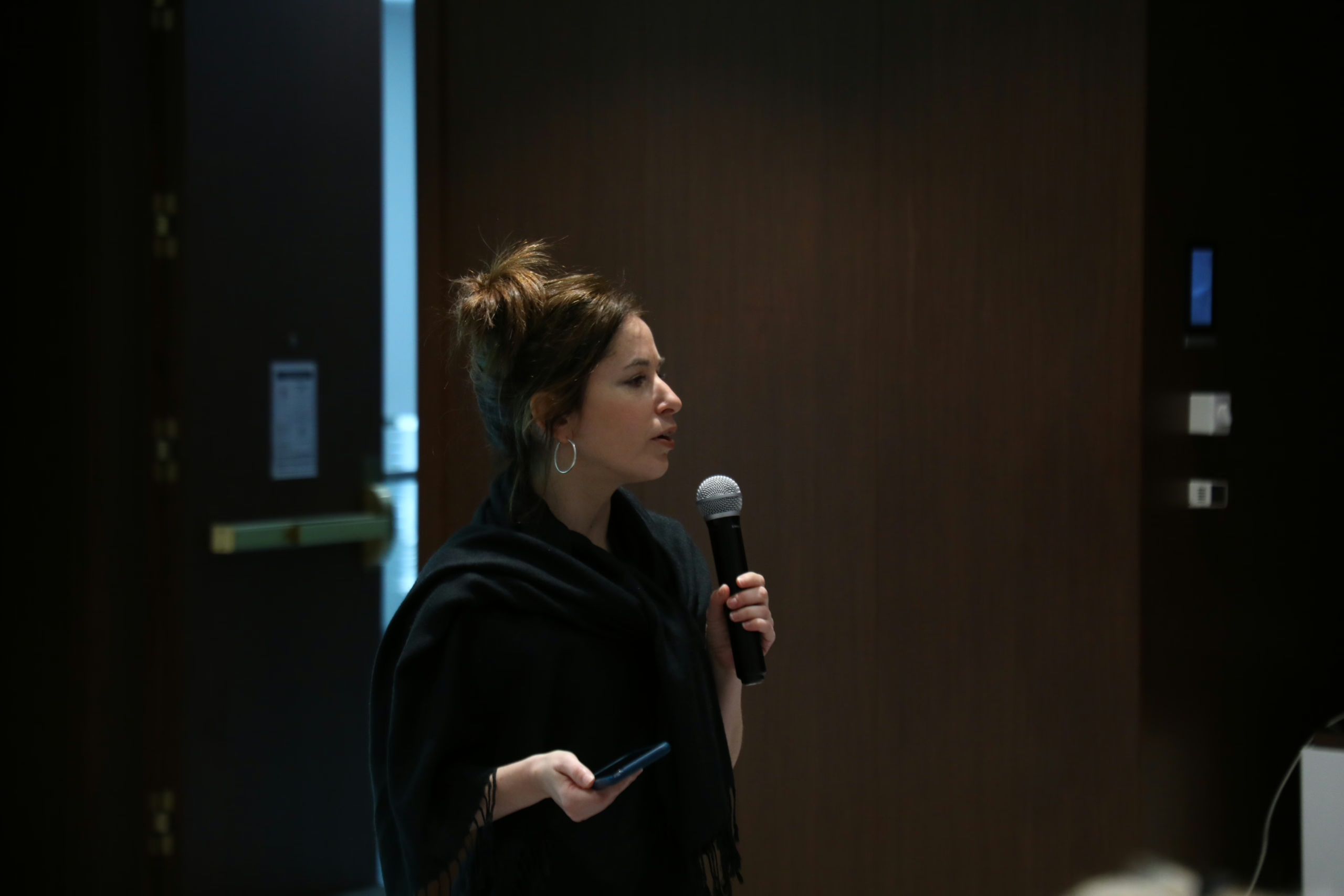
Trauma Sensitive Leadership: From Reacting to Responding
High-pressure moments are where leadership credibility is tested most — and where reactivity can quietly undermine trust, safety, and decision-making. This session introduces the 4Rs framework (Regulate → Recognize → Respond → Reflect): a practical, trauma-sensitive approach to slowing down reactivity and acting with intention when it matters most.
This presentation helps you be better able to:
- Identify the everyday signs of leadership reactivity and recognize how it quietly erodes trust, safety, and sound decision-making
- Articulate why regulating your own stress response is one of the most powerful leadership tools you have
- Apply the 4Rs framework (Regulate → Recognize → Respond → Reflect) to real, high-pressure leadership moments
- Practice shifting from reactive to responsive — building the habits that support psychological safety and accountability
The frameworks explored in this presentation are grounded in the ideas behind Trauma Sensitivity at Work. Learn more
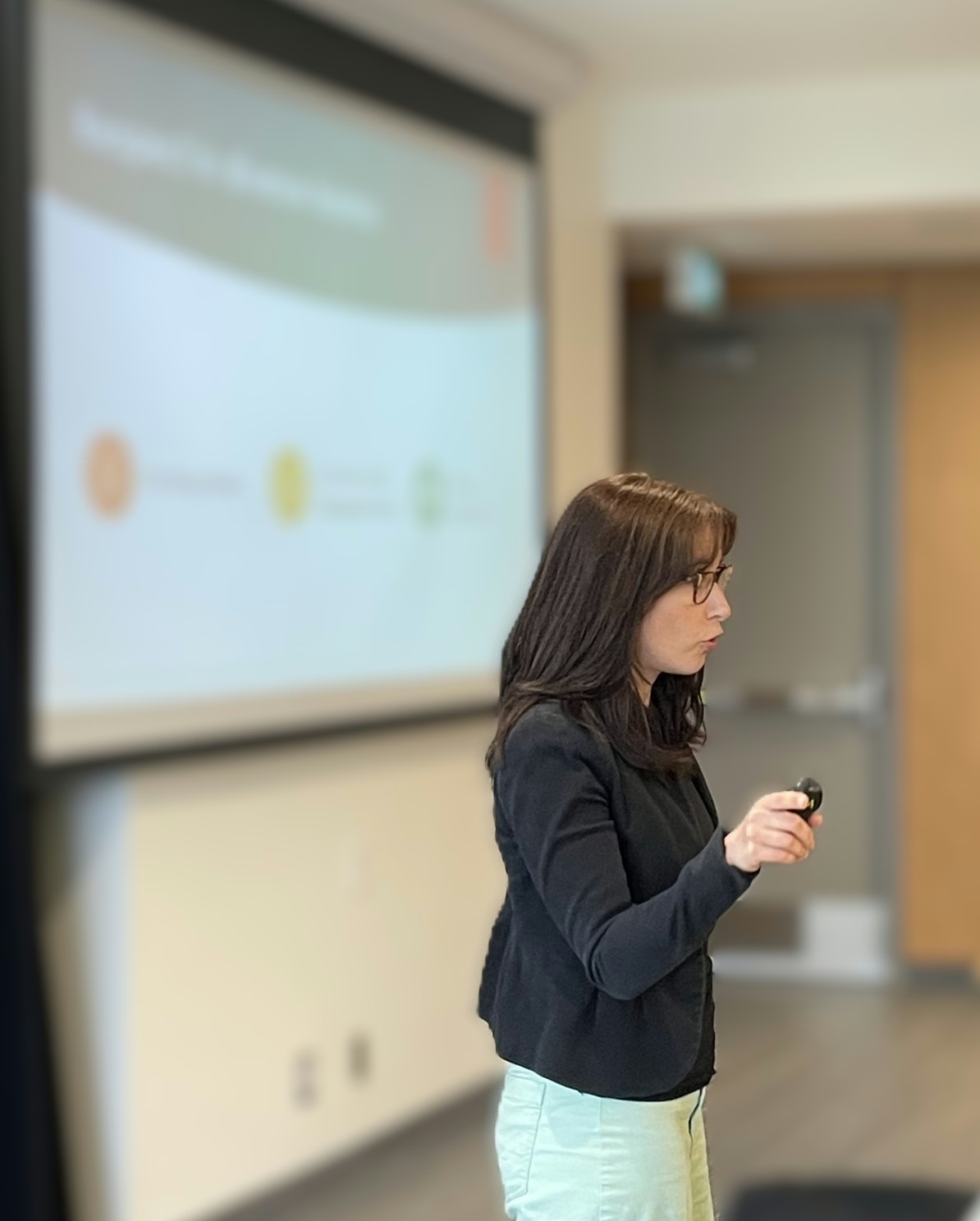
Trauma Sensitive Leadership: The Future of Work
The future of work is already here — and it’s asking something different of leaders. Despite the headlines declaring empathy is dead, the rise of AI tells a different story: human-centred, emotionally intelligent leadership has never been more essential.
The World Health Organization estimates that 70% of the global population has experienced some form of trauma — which means the majority of your workforce has too. When leaders aren’t equipped to navigate this, they risk burning out their teams and unintentionally making things worse.
This session makes the case for why the traditional leadership model needs a fundamental revision — and what it looks like to move forward with trauma sensitivity at the centre.
This presentation helps you be better able to:
- Articulate why traditional leadership models are no longer fit for purpose — and why the future of work demands a fundamental shift toward trauma sensitive leadership
- Identify the connections between AI, evolving workforce expectations, and the growing business case for emotionally intelligent leadership
- Evaluate your own leadership approach against the emerging paradigm — and discover where trauma sensitive thinking can help you lead more effectively
The frameworks explored in this presentation are grounded in the ideas behind Trauma Sensitivity at Work. Learn more